
New House Construction
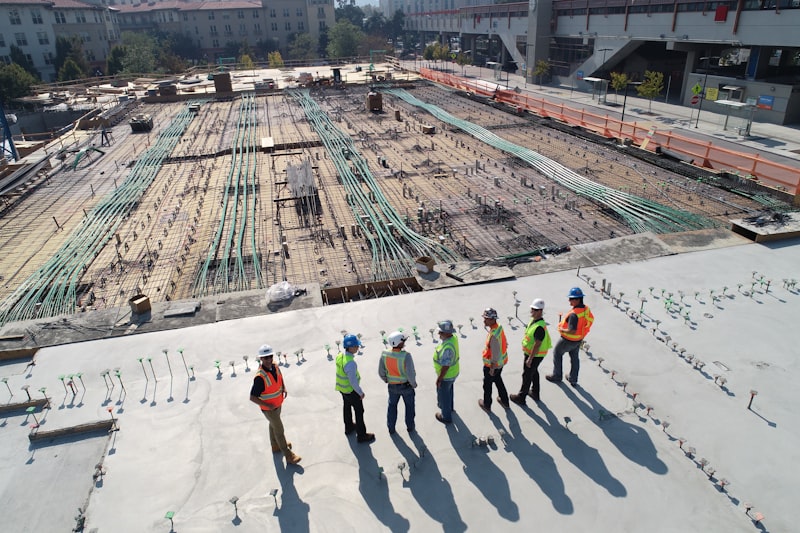
Build your dream home with constructionsewa's professional new house construction services in Nepal. From foundation and RCC framing to masonry and structural work, we deliver quality construction with transparent pricing and verified contractors.
Book Site Visit
Work scope *
Select Date
Choose a time period
Promo Code
About this service
A practical look at what actually goes into building a new house in Nepal, from footing and RCC framework to finishing touches, so you know what to expect before you break ground.
If you're planning to build a new house in Nepal, you've probably already realized how many moving parts there are. Foundation type, frame design, masonry, casting, staircase layout, and then all the finishing and utility work after that. From our experience handling new construction projects across Kathmandu, Lalitpur, and Bhaktapur, most homeowners underestimate how many decisions come before the first brick is even laid.
This guide walks through the full process of new house construction, what a G+1 or G+2 residential build typically involves, what drives the cost, and where people usually run into trouble if they don't plan properly.
What Does New House Construction Actually Include?
When people search for “new construction homes” or “home builder” services in Nepal, they're usually looking for one of two things: either a full turnkey build, or help with specific structural stages. A complete new house construction package typically covers:
• Foundation and footing work
• Column and beam construction (RCC frame)
• Brick or block masonry
• Slab casting
• Staircase construction
Honestly, this is the core structural skeleton of your house. Everything else, plumbing, wiring, roofing, painting, comes after this foundation stage is locked in. If any of these five stages are rushed or poorly supervised, it shows up later as cracks, uneven settling, or worse.
Foundation and Footing Work: Getting the Base Right
The foundation is where soil bearing capacity, water table depth, and load calculations all come together. In hilly or flood-prone parts of Nepal, this stage needs even more attention. A contractor should test the soil, decide between strip footing, isolated footing, or raft foundation depending on the site, and only then start excavation.
Here's the thing: a weak foundation doesn't usually show problems in year one. It shows up three or four years down the line as tilting walls or hairline cracks that widen over time. This is why we always recommend a proper site inspection before any estimate is finalized, not just a rough guess based on plot size.
Column and Beam Work: The RCC Frame That Holds Everything Up
Once the foundation is cured, the RCC (reinforced cement concrete) frame goes up next. This is the column and beam structure that carries the entire load of the house down to the foundation. For most G+1 and G+2 residential builds in Nepal, this means M20 grade concrete with Fe500 TMT steel reinforcement, following the design loads specified for the number of floors.
In most projects we've handled, this is also the stage where clients ask about future floor additions. If you're thinking about building a third floor later, it's far cheaper to design the column and footing for that extra load now than to retrofit it after the house is already standing.
Brick and Block Masonry
Masonry fills in the walls between the RCC frame. Brick is still the most common choice across Nepal for its strength and thermal properties, though concrete blocks are gaining ground for faster construction timelines. The mortar mix ratio, curing time, and bonding pattern all affect how well the walls hold up to both load and seismic activity.
This stage also overlaps with plumbing and electrical rough-in work. Pipes for your future water supply line and conduits for house wiring usually get embedded into the walls before plastering, so it's worth finalizing your layout plan before masonry begins rather than after.
Slab Casting and Staircase Construction
Slab casting is where the roof or floor slab of each level gets poured. Timing matters a lot here, curing too early weakens the concrete, and skipping proper shuttering support can cause sagging. Staircase construction usually happens alongside slab work since the structural support for stairs ties directly into the floor slabs above and below.
We've seen projects where staircase dimensions were an afterthought, and the result was steps that felt cramped or a headroom clearance that was just uncomfortable. Getting the riser and tread measurements right at the design stage saves a lot of regret later.
Planning a new house construction project and not sure where to start? Our team at constructionsewa can walk you through the site inspection, structural design, and cost estimate before you commit to anything. Whether you're building a single-story home or planning ahead for a G+2 structure, we're happy to discuss your project in detail and answer questions before work begins.
What Determines the Cost of Building a New House in Nepal
There's no single flat rate for house construction, and honestly, anyone who quotes you a price without visiting your site first should raise a flag. Cost depends on:
• Plot location and soil condition
• Number of floors (G+1 vs G+2 vs future expansion)
• Material grade (concrete grade, steel brand, brick quality)
• Labour rates in your district
• Finishing level (basic vs premium fittings, tiling, paint)
A rough structural estimate can be shared after a site visit, but material prices in Nepal fluctuate enough that locking in a final number too early usually backfires. Milestone-based payments tied to actual progress protect both the homeowner and the contractor.
Utilities and Finishing Work You Shouldn't Leave for Later
A lot of new house construction quotes only cover the structural shell, foundation to roof. But a livable house needs several other systems planned in parallel:
• Electrical wiring: New construction is the easiest time to plan your house wiring layout properly, since conduits go in before plastering.
• Water supply and storage: Deciding your water supply line routing and water tank installation location early avoids awkward pipe runs later.
• Sewage and drainage: Your sewage and drainage line needs proper slope and connection planning before the ground floor slab is finalized.
• Backup power: With load-shedding still a concern in parts of Nepal, many clients now include inverter and solar installation planning right from the design stage.
• Flooring and stone work: If you're planning marble and granite work for staircases or flooring, it's worth finalizing the material choice before the slab thickness is set, since some stone types need extra structural allowance.
Trying to retrofit any of these after the structure is complete almost always costs more than planning for them upfront.
Roofing and Waterproofing: Don't Treat This as an Afterthought
Roofing choice affects both your budget and long-term maintenance. Two common approaches for new builds in Nepal:
• RCC roof with proper waterproofing: Most common for multi-story homes. Requires RCC roof waterproofing treatment to prevent seepage during monsoon season.
• Tin sheet roofing: Often used for single-story extensions, sheds, or budget builds where speed matters more than long-term structural permanence. Tin sheet roofing is faster to install and lighter on the structure.
Whichever route you choose, waterproofing shouldn't be skipped to save a little money upfront. We've been called back to too many houses where seepage damage ended up costing more than the waterproofing treatment would have in the first place.
Why Homeowners Work With constructionsewa for New House Construction
constructionsewa connects you with verified contractors and engineers across Kathmandu, Lalitpur, Bhaktapur, and other districts, so you're not left guessing whether the person managing your foundation work actually knows what they're doing. The typical process looks like this:
1. Book a free site visit online or by phone
2. A verified contractor inspects the site and shares a written estimate
3. Work is scheduled with milestone-based payments as construction progresses
4. Quality check and handover, with workmanship warranty terms included
Because everything runs through verified professionals with a written scope and transparent pricing, you're not stuck chasing down a contractor mid-project or wondering if the work meets basic structural standards.
Frequently Asked Questions
What is included in new house construction service?
It covers the core structural work: foundation and footing, RCC column and beam frame, brick or block masonry, slab casting, and staircase construction. Utilities like wiring, plumbing, and finishing are typically scoped separately based on your requirements.
Do you provide a written estimate before starting work?
Yes. After a site visit, an estimate covering labour, materials, and expected timeline is shared before any work begins, so there are no surprises halfway through.
How long does building a new house typically take in Nepal?
This depends heavily on the size of the house, weather conditions, and material availability. A single-story (G+1) home generally takes less time than a G+2 build, and the exact duration is confirmed during the site inspection.
Can I build outside Kathmandu Valley?
Yes. constructionsewa works with verified contractors across more than 20 districts in Nepal, not just the valley.
Is there a warranty on the construction work?
Workmanship warranty terms depend on the scope of the project and are laid out clearly in your project agreement once the inspection is complete.
Should I plan for a future floor addition during initial construction?
If there's any chance you'll add a floor later, it's worth designing the foundation and column load capacity for that extra weight now. Retrofitting a foundation after construction is far more expensive than planning ahead.
Ready to Start Your New House Construction Project?
Building a house is one of the biggest financial decisions most people make, and it deserves more than a rough guess over the phone. If you're ready to move forward, or even if you're still comparing options, request a free site visit and get a written quotation before committing to anything. Our team can walk you through structural options, answer questions about materials and timelines, and help you book an inspection at a time that works for you. There's no pressure to sign anything on the first visit, we'd rather you feel confident about the plan before work starts.
Need Reliable New House Construction in Nepal?
Building from the ground up takes careful planning, from foundation depth to roofing choice. constructionsewa connects you with verified contractors and engineers across Nepal for foundation work, RCC framing, masonry, and finishing. Book a free site visit today and get a transparent, written estimate before your project begins.
Typical process
- Book a site visit online or by phone
- Contractor inspects and shares written estimate
- Work scheduled with milestone-based payments
- Quality check and handover with warranty terms
More House Construction services
Table of Content
Reviews (0)
Ratings & Reviews of New House Construction
0.0/5
0 Ratings
No reviews yet. Be the first to review this service!
Frequently asked questions
Ready to start your project?
Call +977-9716693969 or book a free site visit for new house construction.