
House Wiring (New Construction)
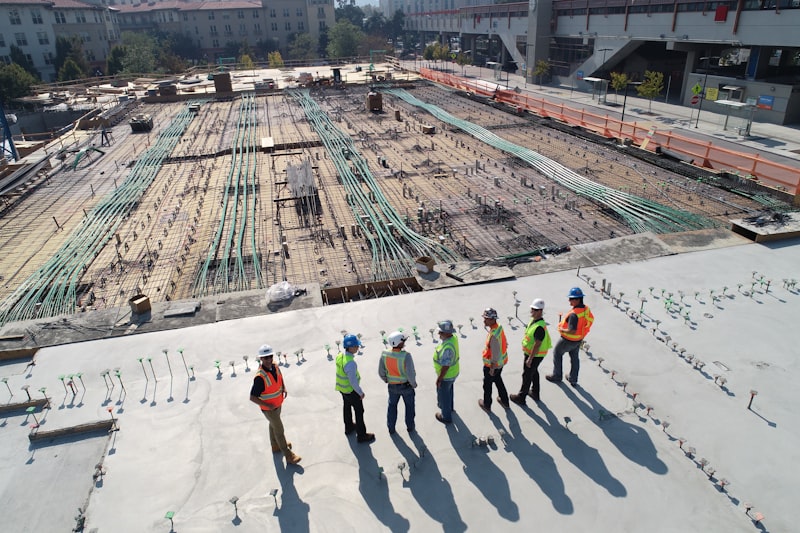
Complete electrical wiring for new homes with conduit, concealed wiring, switchboards, power outlets, lighting circuits, DB installation, earthing, testing, and safe electrical setup by experienced electricians across Nepal.
Book Site Visit
Select Date
Choose a time period
Promo Code
About this service
New house wiring is the full electrical setup that goes into a building before it's finished every circuit, socket, and safety device, planned and installed from scratch. It's not something to rush. Think of it as the nervous system of the house: you never see it once the walls close up, but everything else depends on it working properly.
This isn't only about flipping a switch and having a light turn on. It's about keeping your family safe, protecting appliances from surges, and making sure the system can handle whatever gets plugged in over the next 20-plus years. A loose earthing connection can sit there looking fine for years. Until it doesn't.
A house wired properly the first time almost always costs less over its lifetime than one wired cheaply and patched up year after year. Correct load calculations, proper earthing, and sticking to recognised electrical standards aren't box-ticking exercises they're what keeps a home from becoming a fire risk, and what keeps your electrician from getting a panicked call at 11 PM over a breaker that won't stop tripping.
The Core Components
• Electrical circuits: separate lines for lighting, sockets, and heavy appliances, so one overloaded circuit doesn't take the whole house down
• Main Distribution Board (DB): where power comes in and gets split into individual circuits
• Earthing system: a dedicated path for fault current to reach the ground instead of a person
• MCBs: cut power automatically when a circuit is overloaded or short-circuited
• RCCBs/ELCBs: detect current leakage and cut power fast enough to prevent a serious shock
• Lighting wiring: separate circuits for ceiling, wall, and outdoor lights
• Socket outlets: sized correctly for whatever appliance they'll serve
• Switches and switchboards: placed for actual daily use, not just symmetry
• Wiring for fans, ACs, water heaters, and kitchen appliances: heavier loads that need dedicated circuits and correctly sized cable
Load Calculation and Electrical Safety
Load calculation is where an electrician works out how much power a house will actually draw once everything's switched on, then sizes the cables, the DB, and the main connection with some room to spare. Skip it, and you get cables overheating under normal use, breakers tripping constantly, or a main connection that can't support the appliances you actually own.
Electrical safety isn't something bolted on at the end it's built into every decision along the way: cable grade, earthing resistance, breaker ratings, even the spacing between conduit joints. A wiring job that looks tidy on the surface can still be unsafe underneath if these details got skipped.
When New Wiring Is Needed
• Building a new house, apartment, or commercial space from scratch
• A major renovation where walls are being opened up anyway something we plan alongside our Wall Opening team where relevant
• Turning a bare structure into a livable or usable building
• Adding a new floor or wing that needs its own circuits usually calling for a fresh Load Calculation & Panel Upgrade rather than just extending the existing setup
• Setting up a new commercial space office, shop, hotel, or factory
Our House Wiring Services
We cover the full scope of new electrical wiring, not bits and pieces of it:
• Complete new house, apartment, and villa wiring often planned from the ground up alongside our New House Construction team
• Commercial building wiring for shops, offices, hotels, and factories
• Concealed and surface wiring, depending on the structure
• Distribution board sizing and installation
• MCB and RCCB installation for circuit protection
• Earthing installation, tested for proper resistance
• Conduit, switchboard, and socket outlet installation
• Lighting, ceiling fan, AC, water heater, and kitchen appliance wiring
• Backup power preparation for inverter or solar systems
• Electrical testing and commissioning before handover
If you're wiring an existing structure that's already occupied rather than a fresh build, our Rewiring service covers the broader range of work we take on beyond new construction.
Our House Wiring Process
I won't pretend this part is glamorous. It's methodical, and that's the whole point skipping a step here is how you end up with a callback six months down the line.
1. Consultation: understanding what you're building and what you need from the system
2. Site visit: inspecting the structure, layout, and construction stage
3. Electrical requirement assessment: mapping every point: lights, sockets, appliances, future additions
4. Load calculation: sizing the system to what the house will actually draw
5. Wiring layout planning: deciding circuit routing before any conduit goes in
6. Material selection: cable grade, conduit type, and fittings
7. Conduit installation: laying the concealed cable pathways
8. Cable pulling: running the wiring through the conduit
9. Switch and socket installation: fitted at the right height and position
10. Distribution board installation: mounted and wired with correctly rated breakers
11. Earthing installation: setting up and testing the earth pit and connections
12. Circuit testing: checking continuity, insulation, and polarity on every circuit
13. Safety inspection: a full walkthrough before anything gets closed up
14. Final commissioning: switching on and verifying every point works
15. Site cleanup: clearing wiring waste and debris
16. Handover: walking you through the DB, labelling circuits, answering questions
Types of House Wiring We Install
There's no single “best” wiring type it depends on the building, the budget, and how long the owner plans to stay. Here's what each option actually offers.
Concealed Wiring
Cables run inside walls and slabs through conduit, fully hidden once plastering is done. It's the standard for new homes since it looks clean, protects cables from damage, and holds up for decades when installed properly. The trade-off: any future fault means breaking into a wall to reach it, which is exactly why getting it right the first time matters.
Surface Wiring
Cables run along the wall or ceiling in visible casing. Faster and cheaper to install, and repairs are easy since everything's accessible. Less common in new residential builds because of the visible casing and higher exposure to accidental damage.
PVC Conduit Wiring
PVC conduit protects cables from moisture, rodents, and physical stress, and it's the most common conduit material in concealed wiring today lightweight, non-conductive, and reasonably priced.
Flexible Conduit Wiring
Used where a rigid pipe can't bend easily tight corners, ceiling voids, layouts with a lot of turns. Makes cable pulling easier in complicated spaces without sacrificing protection.
Copper Wiring
Copper conductors are the standard for residential and commercial wiring because copper handles current better than aluminium and resists corrosion longer. Cable quality has a direct effect on how safely the system performs under load, so it's not a place to cut corners.
Modular Electrical Systems
Modular switches and sockets use standardised, swappable components if one switch fails, you replace just that module instead of the whole plate. They also give a cleaner look and are easier to expand later.
Comparison at a Glance
|
Wiring Type |
Best For |
Safety |
Durability |
|
Concealed Wiring |
New homes, apartments, villas |
High protected inside walls |
20+ years if installed correctly |
|
Surface Wiring |
Budget projects, retrofits |
Moderate exposed to damage |
Shorter, casing wears over time |
|
PVC Conduit |
Concealed residential wiring |
High moisture and pest resistant |
Long-lasting, doesn't corrode |
|
Flexible Conduit |
Tight bends, ceiling voids |
High same cable protection |
Long-lasting in the right spots |
|
Copper Wiring |
All residential and commercial use |
High stable under load |
Long service life |
|
Modular Systems |
Switch and socket points |
High standardised components |
Long-lasting, easy upgrades |
Benefits of Professional House Wiring
• Electrical safety for everyone living or working in the building
• Lower fire risk from overheating or short circuits
• Proper load distribution so no single circuit gets overworked
• Reliable power without random trips or flickering
• Room for future expansion without rewiring the whole house
• Better energy efficiency from correctly sized cables and fittings
• Compliance with recognised electrical standards
• Easier maintenance with labelled, documented circuits
• A longer lifespan for the electrical system overall
• Better resale value buyers notice a properly wired house
Problems Proper Wiring Helps Prevent
Most of the electrical emergencies I get called out for trace straight back to shortcuts taken during the original wiring:
• Overloaded circuits from too many points on one line
• Short circuits from poor insulation or damaged cable
• Voltage fluctuations that damage sensitive appliances
• Poor earthing that puts people at risk of shock
• Loose connections that heat up over time
• Frequent breaker trips from undersized components
• Poor socket installation that wears out or arcs
• Incorrect cable sizing for the actual load
If any of this sounds familiar in a property you already own, it's worth getting an electrical inspection done before small issues turn into bigger ones, or reaching out to our electrical repair services team directly.
Choosing the Right Electrical System
An apartment, a villa, and a small factory don't need the same wiring approach and that's actually a good thing, since it means the system gets built around how the space is actually used rather than a one-size-fits-all template. Key factors: building size and floor count, total power requirements, appliance load, future expansion plans, safety requirements for that building type, wiring quality and material grade, and budget balanced against long-term reliability.
For apartments and individual houses, concealed wiring with a properly sized DB usually covers everything. Offices, hotels, and shops need more planning around data points and heavier lighting loads. Industrial buildings need their own load study entirely, since factory equipment draws very differently from a household appliance.
What Drives House Wiring Cost in Nepal
I won't throw a number at you here anyone quoting a fixed price without seeing the site is guessing. What actually drives cost:
• Total building size and floor area
• Number of electrical points lights, sockets, switches
• Wiring type concealed generally costs more than surface
• Cable and conduit quality
• Distribution board size and breaker count
• Earthing requirements based on soil and building type
• Switch and socket grade modular costs more than basic
• Load requirements from appliances like ACs and water heaters
• Backup power preparation for inverter or solar
• Site accessibility during construction
We do a site inspection first and give a written estimate based on the actual building, not a generic package. If you'd like a customised quotation, that's exactly what our free site visit is for.
Our earthing installations follow the resistance values and testing methods set out in IS 3043, the code of practice for earthing widely referenced across South Asia, so the fault-current path performs the way it's supposed to under real conditions.
Why Choose Construction Sewa
We work with experienced electricians who've handled everything from single-family homes to commercial buildings across Nepal. Our focus stays on accurate wiring layouts, quality materials, and installation practices that hold up to inspection, not just what looks finished on handover day.
• Experienced, verified electricians for every project
• Accurate wiring layouts based on real load calculations
• Quality-checked electrical materials and fittings
• Transparent, written estimates before work begins
• Efficient project management from site visit to handover
• Responsive customer support throughout the project
Workmanship warranty terms get confirmed in the project agreement after the site inspection, since scope varies from one building to the next.
Wiring a house is rarely the only thing happening on site. Our Building Maintenance team often coordinates directly with electricians on the same project, and our Water Supply Line Installation team can plan pipe routing alongside conduit runs where both trades are working the same walls.
Where We Work
Construction Sewa connects verified electrical professionals across Nepal, including Kathmandu, Lalitpur, Bhaktapur, Pokhara, Chitwan, Butwal, Biratnagar, Dharan, Nepalgunj, and other serviceable locations nationwide. Share your location when booking, and we'll match you with electricians already working in your area.
Frequently Asked Questions
How long does new house wiring take?
Depends on building size and how far construction has progressed, but most individual homes take a few days to a couple of weeks for the wiring stage alone. We give an actual timeline during the site inspection, not a generic estimate.
What type of wiring is best for a new home?
For most new residential builds, concealed PVC conduit wiring with copper conductors is the standard protected, clean-looking, and long-lasting. Surface wiring can work for budget-conscious projects or where opening walls isn't practical.
What is concealed wiring?
Concealed wiring runs cables inside walls and slabs through conduit pipes, so nothing shows once plastering is complete. It's the most common approach for new house wiring in Nepal.
Do you provide complete electrical installation?
Yes everything from the main distribution board and earthing to lighting, sockets, fan points, and appliance wiring, the full scope for new construction.
Why is earthing important?
Earthing gives fault current a safe path to ground instead of through a person or appliance. Without it, even a minor fault can turn into a serious shock hazard.
What safety devices should every house have?
At minimum, correctly rated MCBs for circuit protection and an RCCB/ELCB for leakage protection. These two devices catch most of the faults that lead to fires or shocks.
Can you wire for solar or inverter backup?
Yes. We prepare the layout to support inverter or solar backup, including dedicated circuits so backup power reaches the points that matter during an outage.
What affects house wiring costs?
Building size, number of electrical points, wiring type, cable and fixture quality, and load requirements all factor in. We give a customised quotation after a site visit rather than a fixed price upfront.
Do you wire commercial buildings?
Yes offices, shops, hotels, and factories all fall under our commercial wiring services, planned around each building's specific load and layout.
How do I maintain my electrical system after installation?
Avoid overloading sockets, get the DB and earthing checked periodically, and call an electrician at the first sign of a tripping breaker rather than resetting it repeatedly. A well-installed system still benefits from occasional inspection.
Ready to Start Your House Wiring Project?
Actually, let me rephrase that you don't need every technical detail figured out before calling us. That's our job.
If you're building a new home, apartment, or commercial space in Nepal, get in touch for a free consultation and site inspection. We'll assess the electrical requirements, plan the wiring layout, and provide a customised quotation no guesswork, no generic pricing.
Call +977-9716693969 or book a free site visit through Construction Sewa to get started.
Typical process
- Book a site visit online or by phone
- Contractor inspects and shares written estimate
- Work scheduled with milestone-based payments
- Quality check and handover with warranty terms
More Electrical Services services
Table of Content
Reviews (0)
Ratings & Reviews of House Wiring (New Construction)
0.0/5
0 Ratings
No reviews yet. Be the first to review this service!
Frequently asked questions
Ready to start your project?
Call +977-9716693969 or book a free site visit for house wiring (new construction).