
RCC Roof Waterproofing
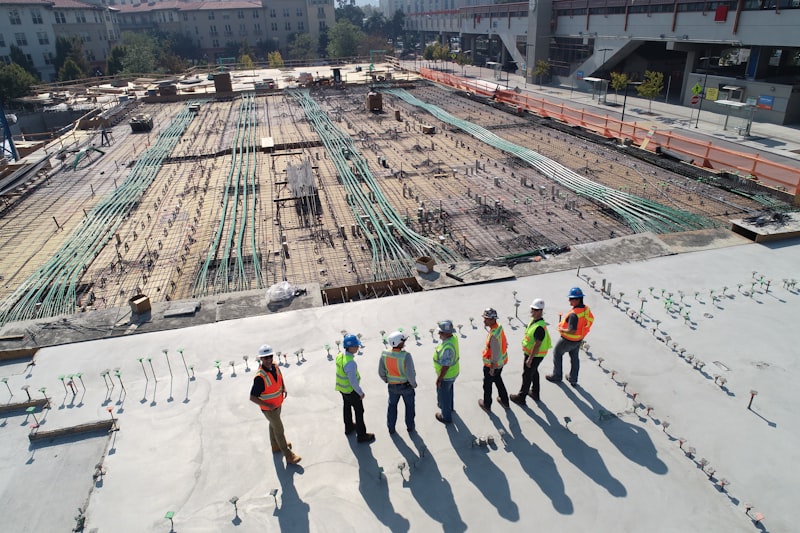
Construction Sewa provides professional RCC roof waterproofing services across Nepal for homes, apartments, commercial buildings, and industrial properties. We inspect, repair, and waterproof concrete roofs using high-quality coatings, membranes, and crack repair systems to prevent leaks, protect structures, and ensure long-lasting performance through Nepal's monsoon seasons.
Book Site Visit
Select Date
Choose a time period
Promo Code
About this service
A damp patch spreading across the ceiling. Paint bubbling near a corner. A musty smell that shows up right after the first monsoon rain. These are usually the first signs anyone notices that an RCC roof has started leaking, and by the time water actually shows up indoors, it's often been seeping through hairline cracks or a failed waterproofing layer for months already.
Construction Sewa handles complete RCC roof waterproofing across Nepal, everything from terrace waterproofing on individual homes to large-scale commercial and industrial roof protection. We diagnose based on inspection rather than reaching for a one-size-fits-all coating. Our waterproofing engineers look at the actual condition of your roof, work out the real cause of the seepage, and apply whichever combination of crack repair, membrane, or coating system actually fits, so the fix holds through many monsoons, not just the next one.
Why RCC Roofs Leak
Understanding what's actually causing a leak is the first step toward fixing it properly instead of temporarily. The most common reasons RCC roofs leak in Nepal:
• Hairline cracks from concrete shrinkage during curing, which widen over time under sun and rain
• Poor or missing waterproofing from the original construction
• Structural movement, plus thermal expansion and contraction cycles that stress the slab
• Water ponding on flat roofs from inadequate slope or blocked drainage outlets
• Waterproofing membrane that's simply aged past its service life
• Poorly sealed joints around parapet walls, pipe penetrations, and expansion joints
• Root damage from plants or moss growing in cracks on neglected terraces
A roof leak repair that only patches the visible symptom, without dealing with one of these underlying causes, tends to come back within a season or two.
Importance of Waterproofing RCC Roofs
Waterproofing isn't just about keeping water out. It protects the structural integrity and value of the whole building. Water that gets into an unprotected roof corrodes the steel reinforcement bars inside the concrete, causing them to expand and crack the surrounding concrete from the inside out, a far more expensive problem than surface seepage ever is. This kind of reinforcement corrosion is well documented by organisations like the American Concrete Institute, and it's one of the main reasons waterproofing gets treated as structural work, not just finishing.
It matters equally before construction, applied to a new terrace or roof slab as a preventive layer, and after construction, applied as a corrective treatment once seepage has already shown up. Either way, it protects against damp ceilings, peeling paint, mould growth, electrical hazards from water contact, and the slow degradation of the concrete structure itself.
Our RCC Roof Waterproofing Services
Construction Sewa offers complete roof waterproofing across residential, commercial, and industrial properties in Nepal, including:
• Terrace waterproofing for homes and apartment rooftops
• RCC terrace waterproofing for new construction and renovation projects
• Flat roof waterproofing for commercial and industrial buildings
• Roof crack repair and structural joint sealing
• Waterproof membrane installation (bituminous, APP/SBS, and liquid membrane systems)
• Waterproof coating for concrete roof surfaces, including acrylic and polyurethane systems
• Roof leakage repair for existing seepage and damp ceiling issues
• Water ponding tests and post-application quality inspection
As an experienced waterproofing contractor, we match the treatment to your roof's actual condition, a newly cast terrace needs a different approach than a 15-year-old roof with several structural cracks. New builds usually run this alongside our House Construction Services, while older properties dealing with an existing leak often come to us through a broader Building Renovation project. Larger commercial or industrial jobs are usually coordinated through our Commercial Construction team.
Types of RCC Roof Waterproofing Systems
Cementitious Waterproofing
A cement-based compound mixed with polymers, applied straight onto the concrete surface. It bonds well with RCC, is straightforward to apply, and works fine for terraces and roofs with moderate exposure, though it's less flexible than membrane-based systems.
Acrylic Waterproof Coating
A paint-like, UV-resistant coating applied in multiple layers over the roof. It reflects heat, brings down surface temperature, and gives you a cost-effective waterproof roof coating for terraces and flat roofs with light to moderate foot traffic.
Polyurethane Waterproofing
Forms a highly flexible, seamless membrane that stretches and contracts along with the concrete's natural movement, which makes it well suited to roofs prone to cracking or thermal expansion, including terraces used as actual outdoor space.
Bituminous Membrane Waterproofing
Bitumen-based sheets or coatings, a proven method that's been used on RCC roofs for a long time. Strong water resistance at a reasonable cost, particularly for larger commercial and industrial roofs.
APP/SBS Membrane Waterproofing
Torch-applied or self-adhesive modified bitumen sheet systems that give you a robust, long-lasting membrane. Common on large flat roofs, industrial buildings, and terraces that take heavy monsoon rainfall.
Liquid Waterproof Membrane
Applied by brush or spray to form a seamless, jointless membrane once it cures. Particularly useful around complex roof details, pipe penetrations, and parapet junctions, spots where sheet membranes are genuinely harder to install cleanly.
Comparison Table of Waterproofing Methods
|
Method |
Flexibility |
Durability |
Best For |
Application |
|
Cementitious |
Low |
Moderate |
Terraces, moderate exposure |
Trowel/brush |
|
Acrylic Coating |
Moderate |
Moderate |
Terraces, heat reflection |
Roller/spray |
|
Polyurethane |
High |
High |
Crack prone, movement prone roofs |
Spray/roller |
|
Bituminous Membrane |
Moderate |
High |
Commercial and industrial roofs |
Sheet/coating |
|
APP/SBS Membrane |
High |
Very High |
Large flat roofs, heavy rainfall areas |
Torch/self-adhesive |
|
Liquid Membrane |
High |
High |
Complex details, penetrations |
Brush/spray |
Our RCC Roof Waterproofing Process
1. Roof Inspection and Condition Assessment: we look at the roof surface, existing waterproofing if there is any, drainage slope, cracks, and any signs of active seepage
2. Root Cause Diagnosis: we work out whether the leak is coming from surface cracks, membrane failure, poor drainage, or joint deterioration
3. Surface Preparation: the roof gets cleaned, and loose or damaged material, moss, and debris removed to leave a sound base to work on
4. Crack Repair and Joint Sealing: cracks, parapet junctions, and pipe penetrations are treated and sealed before any coating or membrane goes on
5. Waterproofing System Application: the chosen coating or membrane goes on in the required number of coats or layers, following manufacturer specs
6. Curing Period: the applied system is left to cure fully before moving to inspection or use
7. Water Ponding Test: water is held on the treated surface for a set period to confirm there's no leakage before handover
8. Quality Inspection and Handover: a final check confirms coverage, finish, and drainage function, then warranty documentation follows
Crack Repair and Joint Sealing
Most roof leaks actually start at cracks and joints rather than across the open field of the slab, which is why crack repair gets treated as its own step rather than just getting covered over by a coating. Our process includes:
• V-grooving and cleaning cracks before filling, so the repair actually bonds properly
• Filling cracks with flexible, waterproof-grade sealants or polymer modified compounds
• Sealing expansion joints and construction joints with the appropriate flexible sealants
• Treating parapet wall junctions and pipe penetrations, both common failure points
• Reinforcing repaired areas with fabric or mesh where structural movement is a real concern
Water Ponding Test and Quality Inspection
A water ponding test is genuinely one of the most reliable ways to confirm waterproofing work has actually been done right, before it's exposed to real monsoon conditions. We flood the treated section with a measured depth of water and keep an eye on the ceiling below over 24 to 48 hours. Only once the roof passes, no seepage, dampness, or discoloration underneath, do we call the job complete. It catches installation errors early, while they're still cheap and easy to fix, instead of after the client's already dealing with a leak.
Waterproofing Maintenance and Inspection
Waterproofing systems are durable, but they're not permanent. UV exposure, monsoon cycles, and regular foot traffic all wear down a coating or membrane eventually. We'd recommend:
• An annual visual inspection before monsoon season, especially for older waterproofing systems
• Clearing drainage outlets and gutters so water doesn't pond
• Reapplying a maintenance coat of acrylic or polyurethane every few years, depending on the system and exposure
• Prompt crack repair the moment new hairline cracks show up, before they widen
• Getting an inspection right after any visible damp patch, rather than waiting to see if it spreads
Benefits of Professional RCC Roof Waterproofing
• Root cause diagnosis instead of a surface-level, temporary patch
• The right system chosen for your roof's exposure, usage, and structural condition
• Proper surface preparation and curing, steps most DIY attempts skip entirely
• Water ponding testing that verifies the fix before handover, not after a leak comes back
• Workmanship warranty and documented treatment, useful for servicing down the line
• Protection for your property's structural integrity and long-term value
Common Roof Problems We Solve
• Damp patches and discoloration on ceilings below the terrace
• Water ponding on flat roofs from poor slope or blocked drains
• Peeling paint, bubbling plaster, and mould growth from prolonged seepage
• Cracked or worn-out existing waterproofing membrane
• Leakage around parapet walls, pipe outlets, and expansion joints
• Corroded reinforcement and spalling concrete from long-term water ingress
• Failed DIY roof waterproofing attempts that weren't properly prepared or cured
Signs Your RCC Roof Needs Waterproofing
• Damp patches, water stains, or discoloration on the ceiling
• Visible cracks on the terrace or roof surface
• Water pooling on the roof for more than a day or two after rain
• Peeling paint, bubbling plaster, or a musty smell indoors after rainfall
• Existing waterproofing that's more than 5 to 7 years old and clearly showing wear
• Moss, algae, or plant growth on the roof surface, a sign moisture is getting trapped
Choosing the Right Waterproofing System
The right choice depends on how the roof is used, how exposed it is, and its current condition. A terrace that gets walked on or used for gatherings needs something durable enough to handle foot traffic, polyurethane or a reinforced membrane usually. A roof with heavy structural cracking might need targeted crack repair alongside a flexible coating, sometimes with input from our Civil Engineering team if the cracking points to something structural. Large commercial or industrial roofs often do best with membrane systems like APP/SBS, given their track record over big surface areas. Our engineers recommend a system after actually inspecting your roof, not by defaulting to one standard treatment for every property.
Cost Factors in Nepal
Every quote gets finalised after a site inspection, but these are the factors that typically drive the cost of RCC roof waterproofing in Nepal:
• Total roof or terrace area being treated
• Current roof condition, how many cracks there are and how severe, existing membrane condition
• Waterproofing system selected, cementitious, acrylic, polyurethane, or membrane based
• How much surface preparation is needed, including removing old coating
• Roof accessibility and any structural repair work needed alongside the waterproofing
• Whether the project is preventive, new construction, or corrective, an existing leak repair
For a broader sense of typical figures across different project types, our construction cost guide is worth a look before your site visit.
Why Choose Construction Sewa
• Experienced, verified waterproofing professionals across Nepal
• Transparent, written estimates provided only after a proper roof inspection, no guesswork pricing
• Milestone-based payments, so you only pay as work actually progresses
• Water ponding testing and quality inspection before every handover
• Quality checks and a formal handover with workmanship warranty terms
• Support for homes, apartments, offices, hotels, hospitals, and industrial roofs across Nepal
As a waterproofing company Nepal property owners keep coming back to for lasting results, we focus on fixing the actual cause of a leak rather than just covering it, so the roof stays dry through many monsoons, not just the next one. Larger institutional or multi-building jobs are usually handled through our Project Management service, keeping waterproofing on schedule alongside the rest of the work on site.
Service Areas
Construction Sewa provides RCC roof waterproofing across Kathmandu, Lalitpur, Bhaktapur, and the wider Kathmandu Valley, with project support reaching other municipalities across Nepal too. Whether you're after a waterproofing contractor in the city or need roof protection sorted for a property outside the valley, share your location when booking and we'll match you with the right local team.
Frequently Asked Questions
What is the best waterproofing method for an RCC roof?
There's no single best method, honestly, it depends on your roof's exposure, usage, and existing condition. Polyurethane and membrane systems suit crack-prone or heavily used terraces, while acrylic coatings work well for lighter, cost-conscious jobs.
How long does RCC roof waterproofing last?
Most professionally applied systems last 5 to 10 years depending on the method, roof exposure, and how well it's maintained, though periodic inspection and reapplication extend that considerably.
Can waterproofing be done on an old roof that already has cracks?
Yes. Crack repair and joint sealing happen before any coating or membrane goes on, since waterproofing over unrepaired cracks tends to fail quickly.
What is a water ponding test and why does it matter?
It's holding water on the treated roof for 24 to 48 hours to confirm there's no seepage before handover, catching any application issues before the next real rainfall does it for you.
Is terrace waterproofing different from general roof waterproofing?
Same core principles, but a terrace usually needs a finish that can take more foot traffic, since it's walked on or used for gatherings, unlike a roof nobody actually goes up on.
Can I waterproof my roof myself instead of hiring a contractor?
DIY roof waterproofing often skips proper surface prep, crack repair, and curing time, which are the most common reasons waterproofing fails early. Professional application makes a real difference to how long it actually lasts.
Ready to Stop Roof Leaks for Good?
Whether you're dealing with an active leak, planning preventive terrace waterproofing for a new build, or need a full waterproof membrane installed on a commercial roof, Construction Sewa's inspection-based process makes it straightforward to get a fix that actually lasts. Book a free roof inspection and get a written quotation based on your roof's real condition, no guesswork, no shortcuts.
Call or WhatsApp +977-9716693969, or book your free RCC roof waterproofing inspection online to get started.
Typical process
- Book a site visit online or by phone
- Contractor inspects and shares written estimate
- Work scheduled with milestone-based payments
- Quality check and handover with warranty terms
More Roofing & Waterproofing services
Table of Content
Reviews (0)
Ratings & Reviews of RCC Roof Waterproofing
0.0/5
0 Ratings
No reviews yet. Be the first to review this service!
Frequently asked questions
Ready to start your project?
Call +977-9716693969 or book a free site visit for rcc roof waterproofing.